Basketball Shoe Cushioning Technologies
Modern basketball shoes feature advanced cushioning systems that absorb impact, return energy, and protect joints during high-intensity play.


Air Cushioning
Pressurized air units embedded in the midsole provide impact absorption with lightweight feel. Nike Air and similar systems use sealed chambers of pressurized air to absorb shock and return energy.
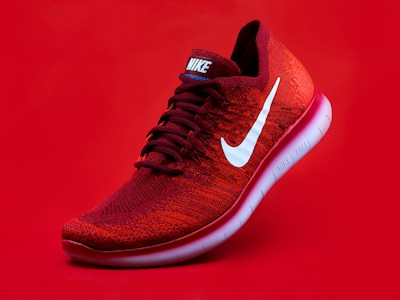
Foam Cushioning
EVA (ethylene-vinyl acetate) and PU (polyurethane) foams provide responsive cushioning. Different densities affect durability and feel, from soft and plush to firm and responsive.

Gel Technology
Silicone-based gel inserts provide excellent shock absorption and distribute impact forces evenly across the footbed.

Zoom Air
Tensile air units that compress under pressure and snap back quickly, providing responsive cushioning for explosive movements.
Understanding Basketball Cushioning
Basketball involves constant jumping, landing, quick direction changes, and explosive movements. The cushioning system in basketball shoes plays a critical role in protecting players' joints from impact forces that can exceed several times body weight during jumps and landings.
Air Cushioning Systems
Air cushioning uses pressurized air chambers to absorb impact energy. When the air unit compresses under load, it distributes the force across a larger area and then returns to its original shape, providing energy return. Modern basketball shoes often feature larger air units in the heel for maximum impact absorption and may include smaller units in the forefoot for responsive cushioning during sprints and jumps.
Foam Midsole Technologies
Foam cushioning remains the most common midsole material in basketball shoes. EVA foam is lightweight and provides good impact absorption at an affordable price point. PU foam offers greater durability and better resistance to compression set, maintaining its cushioning properties over longer periods of use. Many premium basketball shoes use proprietary foam compounds that balance weight, responsiveness, and durability.
Cushioning and Court Feel
Different cushioning systems affect how players perceive the court surface. Some players prefer a lower-profile, more connected feel that allows them to sense the court better, while others prefer maximum cushioning to reduce joint stress during extended games. Modern basketball shoes often feature dual-density midsoles that provide firmer support in the arch area while offering softer cushioning in the heel and forefoot.
Position-Specific Cushioning
Guards who make quick movements and jump frequently may prefer responsive, lower-profile cushioning that doesn't interfere with their agility. Centers and power players who land heavily from rebounds may need maximum impact protection in the heel. Many manufacturers offer position-specific models with different cushioning profiles to match playing styles.
Sourcing Considerations
For B2B buyers sourcing basketball shoes, understanding cushioning technology helps specify requirements accurately. Key considerations include midsole material specifications (EVA density, PU grade), air unit placement and size, and drop height (the difference in thickness between heel and forefoot). Request samples to evaluate actual cushioning feel, as material specifications don't always translate to the experience players will have on court.