Basketball Shoe Anatomy Guide
Understanding the components of basketball shoes helps buyers evaluate quality and performance characteristics when sourcing footwear.

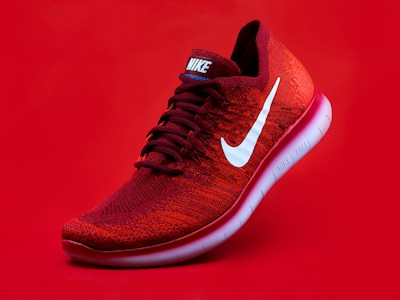
Upper
The upper is the part of the shoe that covers the top of your foot. In basketball shoes, the upper provides support, containment, and protection while allowing breathability.

Ankle Collar
The padded opening around the ankle that provides comfort and helps prevent dirt and debris from entering the shoe.

Tongue
The padded flap that sits under the laces to provide comfort and prevent lace pressure on the top of the foot.

Lacing System
Internal or external laces that allow for a customized fit. Many basketball shoes feature Flywire cables for lightweight support.

Midsole
The cushioning layer between the upper and outsole that provides impact absorption and energy return.

Outsole
The bottom of the shoe that contacts the court. Basketball outsoles feature herringbone or pivot circle patterns for traction.

Heel Counter
A rigid structure in the heel that provides stability and helps control rearfoot motion during quick direction changes.

Toe Box
The front portion of the shoe that protects the toes and provides space for natural toe splay during jumping and landing.
Understanding Basketball Shoe Construction
Basketball shoes are engineered athletic footwear designed to handle the unique demands of basketball: explosive jumps, quick lateral movements, and sudden stops. Each component plays a critical role in performance, comfort, and durability.
Upper Construction
The upper of a basketball shoe must provide a balance of support, breathability, and durability. Modern basketball shoes use various materials including leather, synthetic leather, mesh, and knit textiles. Leather uppers offer excellent support and durability but may require a break-in period. Mesh and knit uppers provide superior breathability and a sock-like fit.
Cushioning Systems
The midsole is where the primary cushioning technology is located. Common cushioning systems include air cushioning (pressurized air units), foam cushioning (EVA, PU, or proprietary compounds), and gel systems. The choice of cushioning affects impact absorption, energy return, and shoe weight.
Traction Outsoles
Basketball shoe outsoles are designed specifically for indoor court surfaces. Herringbone patterns provide excellent grip on hardwood floors, while pivot circles allow for smooth rotational movements. Some models feature outdoor-specific outsoles with more durable rubber compounds.
Ankle Support
Basketball shoes are available in high-top, mid-top, and low-top configurations. High-top shoes extend above the ankle for maximum support and are preferred by players who need ankle protection. Low-top shoes offer greater mobility but less ankle support.
Sourcing Considerations
For B2B buyers sourcing basketball shoes from Chinese manufacturers, understanding anatomy helps in specifying requirements. Key considerations include upper material quality, cushioning technology specifications, outsole compound requirements, and construction methods (cemented, vulcanized, or hybrid).