Racing Flats Guide
Racing flats are minimalist running shoes designed for competitive racing: marathon, half-marathon, 10K, and track events. Maximum lightness and efficiency for race day performance.


Lightweight Construction
Minimal weight reduces energy expenditure during races. Racing flats typically weigh 150-200g per shoe.

Minimal Cushioning
Low stack height provides ground feel and connection to the running surface for efficient racing.

Propulsive Feel
Firm midsole geometry and responsive materials help runners push off efficiently during races.
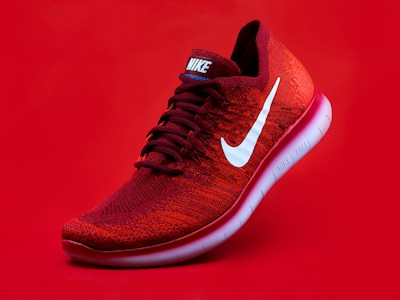
Breathable Upper
Lightweight mesh and minimal overlays keep feet cool during high-effort racing efforts.
Understanding Racing Flats
Racing flats are specialized running shoes optimized for competitive race performance. Unlike everyday training shoes that prioritize comfort and durability, racing flats sacrifice these qualities to achieve minimum weight and maximum efficiency during high-effort racing efforts.
Weight and Performance
Every gram of shoe weight affects running economy, particularly at race pace. Racing flats typically weigh 150-200g per shoe (compared to 250-350g for training shoes), achieved through minimal midsole foam, simplified uppers, and stripped-down construction. This weight reduction can save significant energy over marathon distance.
Stack Height and Ground Feel
Racing flats feature lower stack heights (the amount of foam between foot and ground) than training shoes. This minimal cushioning provides a direct connection to the running surface, allowing runners to feel the terrain and adjust their stride efficiently. However, this means less shock absorption, making racing flats unsuitable for runners with joint sensitivity or those training for ultra distances.
Drop Height Considerations
Many racing flats feature lower drop heights (4-6mm or less) that encourage a more natural midfoot or forefoot strike. This can improve running efficiency for runners with proper form, but transitioning to low-drop racing flats requires adaptation. Runners unaccustomed to minimal drop may experience calf fatigue or Achilles strain during races.
Event-Specific Design
Racing flats vary by event distance and surface. Marathon racing flats prioritize energy return over the 26.2 miles while offering enough cushioning for the distance. Track spikes (used for 5K and shorter distances) feature minimal rubber outsole for maximum ground contact on synthetic tracks. Cross country flats feature aggressive traction for grass and mud conditions.
Sourcing Considerations
For B2B buyers sourcing racing flats, specifying weight targets, stack heights, and drop requirements is essential. Racing flats for elite markets may require sub-150g weights, while recreational racing markets may accept slightly heavier options. Consider event-specific requirements and target customer fitness levels when specifying racing flat characteristics.