Textile Materials Guide
Comprehensive guide to textile materials in footwear: understanding knit, woven, and non-woven constructions, performance characteristics, and strategic material selection.

Industry Share
35%
Of footwear upper materials
Innovation Rate
High
Rapid technology advancement
Versatility
Extreme
From casual to performance
Understanding Textile Materials
Textile materials constitute one of the largest and most diverse categories of footwear components, encompassing everything from traditional woven canvas to advanced engineered knits. The versatility of textile manufacturing enables precise engineering of mechanical properties, aesthetic characteristics, and functional performance across an extraordinary range of applications.
The footwear industry's relationship with textiles has evolved dramatically over recent decades. Where textiles once served primarily as economical alternatives to leather, today's technical textiles represent cutting-edge engineering that often outperforms traditional materials in specific applications.
Material Classification
Textile materials for footwear are classified by construction method, fiber content, and functional characteristics. Understanding these classifications enables appropriate material selection for specific applications.
Construction Classification: Knit, woven, and non-woven constructions each provide distinct property profiles suited to different applications.
Fiber Classification: Natural fibers (cotton, wool), synthetic fibers (polyester, nylon), and blended constructions offer different performance characteristics.
Functional Classification: Performance textiles may incorporate moisture management, antimicrobial, waterproof, or other specialized properties.
Knit Textiles
1.1 Knit Construction Fundamentals
Knit textiles are produced by interlocking loops of yarn, creating flexible, dimensionally stable structures with inherent stretch characteristics. Knit construction enables precise engineering of mechanical properties through stitch pattern manipulation.
Loop Structure: The fundamental knit unit—the loop—creates the characteristic flexibility and recovery of knit textiles.
Pattern Variation: Different stitch patterns create varied surface textures, densities, and mechanical properties.
Yarn Selection: Fiber content, yarn size, and twist significantly impact final knit properties.
1.2 Weft Knitting
Weft knitting creates fabric by forming loops across the fabric width, with each course (row) interlooping with the previous course. This construction enables production of tubular and flat fabrics with consistent stretch in cross-machine directions.
Single Jersey: The simplest weft knit, producing lightweight fabric with good drape and stretch.
Rib Structures: Combining face and back stitches creates fabric with excellent stretch recovery and dimensional stability.
Purl Structures: All stitches knitted in purl create reversible fabric with bulkier appearance.
1.3 Warp Knitting
Warp knitting forms loops in the machine direction, with each warp yarn feeding to multiple needles across the fabric width. This construction produces stable fabrics with controlled stretch characteristics.
Tricot Knits: Classic warp knit structure with fine vertical ribs on face and cross-wise ribs on back.
Raschel Knits: Coarser construction enabling integration of decorative patterns and textured surfaces.
Engineered Patterns: Computer-controlled knitting enables complex pattern integration.
Engineered Knit Technology
2.1 Flyknit and Similar Technologies
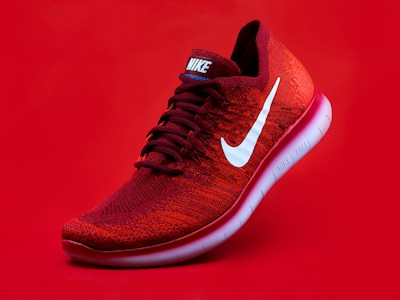
Engineered knit technologies, exemplified by Nike Flyknit and similar systems, represent the pinnacle of textile engineering for footwear. These systems produce one-piece upper constructions with precisely controlled properties across different foot zones.
Zone Engineering: Knit structure varies across the upper, providing support where needed while maximizing breathability elsewhere.
Seamless Construction: Single-piece knit eliminates traditional stitching, reducing material waste and improving comfort.
Material Efficiency: Engineered knitting uses only the material required, significantly reducing waste compared to traditional cutting.
2.2 3D Knit Structures
Advanced knitting technologies produce true three-dimensional fabric structures without subsequent shaping or seaming operations.
Volume Knitting: Creates fabrics with varying thickness across the surface for integrated cushioning or support zones.
Shape-Knit Elements: Pre-shaped knit components require minimal or no additional processing.
Integrated Functionality: 3D knitting can incorporate multiple material types and functional zones in a single production step.
Woven Textiles
3.1 Woven Construction
Woven textiles are produced by interlacing warp (lengthwise) and weft (crosswise) yarns at right angles. This construction creates dimensionally stable fabrics with predictable mechanical properties.
Plain Weave: The simplest weave pattern, interlacing warp and weft in alternating over-under sequence.
Twill Weave: Diagonal pattern created by floating warp over multiple weft yarns, producing softer, more drapable fabrics.
Satin Weave: Long floats create smooth, lustrous surfaces with reduced abrasion resistance.
3.2 Canvas and Duck Weaves
Heavy-duty woven fabrics including canvas and duck provide the durability required for work and casual footwear applications.
Canvas Construction: Plain weave heavy fabrics provide excellent durability and stability for traditional sneaker construction.
Duck Weave: Tighter weave structure with higher thread count provides enhanced durability and water resistance.
Weight Specifications: Canvas weight is specified in ounces per square yard, with heavier weights providing greater durability.
3.3 Ripstop Weaves
Ripstop weaves incorporate reinforcement yarns in a crosshatch pattern that prevents tear propagation, providing enhanced durability in lightweight fabrics.
Reinforcement Grid: Typically 3-5mm spacing, larger reinforcement yarns are woven into standard fabric construction.
Lightweight Durability: Ripstop enables significant weight reduction while maintaining adequate tear resistance.
Footwear Applications: Trail running shoes and outdoor footwear frequently utilize ripstop uppers for lightweight durability.
Non-Woven Materials
4.1 Non-Woven Construction
Non-woven textiles are produced by bonding or interlocking fibers through mechanical, thermal, or chemical processes rather than weaving or knitting. While not suitable for visible uppers, non-wovens serve essential structural functions in footwear.
Web Formation: Fibers are arranged into a random-oriented web before bonding.
Bonding Methods: Mechanical (needlepunch), thermal (melt-bond), or chemical (adhesive) bonding creates stable fabric structures.
Functional Properties: Non-wovens can be engineered for specific properties including filtration, cushioning, or structural support.
4.2 Footwear Applications
Non-woven materials serve numerous essential functions in footwear construction, often invisible but critical to performance.
lasting Boards: Non-woven lasting boards provide structure and support during construction and wear.
Insoles: Non-woven insoles provide cushioning and moisture management functions.
Collars and Tongues: Padding materials enhance comfort in these critical contact areas.
Fiber Materials
5.1 Synthetic Fibers
Synthetic fibers dominate technical textile applications due to their engineered properties, consistency, and cost efficiency.
Polyester: The most widely used synthetic fiber, offering strength, durability, and excellent dyeability.
Nylon (Polyamide): Superior strength-to-weight ratio and excellent abrasion resistance make nylon ideal for performance applications.
Polypropylene: Excellent moisture resistance and low density make polypropylene suitable for specific applications.
5.2 Natural and Cellulosic Fibers
Natural and cellulosic fibers provide comfort characteristics valued in certain footwear applications.
Cotton: Excellent comfort and moisture absorption make cotton appropriate for casual and dress footwear.
Linen: Superior strength and cool feel make linen valued for summer footwear.
Viscose/Rayon: Cellulosic fibers provide silk-like aesthetics and comfort in fashion footwear.
China Manufacturing
6.1 Production Capabilities
China dominates global textile production, including advanced technical textiles for footwear. The combination of established infrastructure, technical expertise, and competitive pricing makes China the primary sourcing destination.
Knit Fabric Production: Advanced knitting equipment including Stoll, Shima Seiki, and Karl Mayer machines enables production of cutting-edge engineered knits.
Specialty Weaving: Capability for technical woven fabrics including ripstop, canvas, and performance textiles.
6.2 Sourcing Considerations
Technical Specifications: Define precise mechanical property requirements including stretch, recovery, and abrasion resistance.
Certification Requirements: Verify compliance with REACH, OEKO-TEX, and other relevant textile safety standards.
Consistency Verification: Establish quality control protocols to ensure batch-to-batch consistency.
Engineered
Precisely controlled properties.
Breathable
Excellent air circulation.
Lightweight
Minimal weight contribution.
Sustainable
Recycled fiber options.
Explore Topics
Knit Textiles
Engineered knit constructions for performance footwear.

Woven Fabrics
Traditional woven textile constructions and applications.

Non-Woven Materials
Non-woven textile technologies in footwear manufacturing.

Smart Textiles
Emerging textile technologies for performance enhancement.